
John A. Gehrisch

Relationships

a photo of a man holding a rose one of the things men need to commit in relationships
Relationships

4 Foolproof Things Men Need to Commit in Relationships

Photo by Simon John-McHaffie on Unsplash According to Grow Law Firm, 73% of marriages end in divorce because of a lack of commitment. Pew Research Data says twice as many women are seeking commitment as men. The statistics do not look good for men. They are often asked about their lack of interest in serious relationships, and the numbers, unfortunately, support this claim. For women looking for long-term partners, it’s best to understand what men need to commit to in relationships. What are they? Understanding the Things Men Need to Commit in Relationships Saving a marriage during tough times is an effort and decision that needs to be made by both men and women. This way, the relationship won’t tip to one side—due to the inequality of effort—which may contribute to a capsized and, ultimately, a sunken connection. But what do guys need to commit, and should women do anything to influence his decision? This whole discussion might raise some eyebrows, especially from women who feel it rubs off wrong to tell them they need to convince men to commit. However, this isn’t some fanciful agenda to get women “back into the kitchen” or make them submissive. Instead, it is the truth; just as women want to feel secure in relationships, men do, too. Sure, women’s behaviors won’t change a thing if the man is serially non-committing—there’s just no saving that. But what she can do is understand the things men need to commit in relationships, act on them, and influence their decisions by contributing evident effort to building a fulfilling relationship. What needs to be done? John A. Gehrisch’s relationship book, The Golf Pro Has Heart, offers some foolproof suggestions. Ways to Influence Commitment in Men Molded after his parents and other unique couples who have spent 50 years in fulfilling relationships, The Golf Pro Has Heart does offer some weighty advice. In one of the chapters in his book, John A. Gehrisch talks about how identifying the benefits of the decision (in this case, the relationship) will make commitment come more easily. Why is this significant? It’s as simple as encouraging women to be more open, appreciative, and evident in their love for their partners. To truly understand the things men need to commit in relationships, women must first consider answering this question. “What do men need the most in a relationship?” Is it intimacy? Money? Like women, men who are also looking for fulfilling relationships need security the most. They don’t want half-baked affection or feelings. They want to feel that the woman they’re with is as present and “all-in” in the relationship as them. And John A. Gehrisch has, likewise, enumerated ways for women to show these. Respect and Appreciation “One of the most important things is the man must feel appreciated and admired by others. This becomes especially critical from the woman in his life.” – John A. Gehrisch. No matter how they deny or hide it, men love to be appreciated. Men are seen as powerful and able, which often has more downsides than the contrary. One of which is that they’re typically left to fend for themselves. This leaves them feeling unseen and unappreciated. So, as their partners, women need to shower them with this, and men will be very satisfied when they do. “Acknowledge anything he does well and be sincere. You will find there are many things if you just look for them. I think you will find things he does everyday that you overlook in everyday life.” – John A. Gehrisch. Genuine Interest in Them Now, one might ask, isn’t the relationship already enough proof that women are interested in their partners? What else is there left to do? When it comes to the things men need to commit in relationships, maintaining the connection isn’t only about not breaking up. Instead, there must be constant and genuine evidence of interest for each other. This means being equally passionate about their passions and invested in the things they like. “The second thing that I suggest is to spend time with him doing things “he” enjoys doing. Usually these involve some sport or recreational thing. Playing a sport, going to a game, or going camping…” – John A. Gehrisch. What a man wants the most is someone he can be himself with, someone who is as much his best friend as his lover. He wants someone who wants to share and live his life with him. Initiative to Keep the Love Effort is typically associated with “men.” They’re expected to do the hard work. “If he wants to, he will,” but has anybody ever asked the other side? As John A. Gehrisch mentioned, both men and women must put in the effort to maintain passion in relationships. This means that women must also put in the effort to initiate dates or activities that will keep the relationship alive. “You fell in love for a reason. Don’t lose that. When we fall in love, it is supposed to only be the foundation on which we build a tall building that becomes our lifetime relationship.” – John A. Gehrisch. Acknowledgement and Support One of the most important things men need to commit in relationships is the feeling of being respected and heard. Aside from being seen, men love to feel that their words have value to their partner. This can equal emotional vulnerability, which is a tough space for them to hold. Women don’t always have to follow what men say. But at least consider their advice and listen to their perspectives. “If you always try to have the last word instead of thanking him for sharing his feelings or thoughts, he will also feel you do not value his advice.” One Key to Successful Relationships: Equal Effort When society paints men as noncommittal in relationships, this creates misconceptions about how fulfilling relationships are built. Often, this gives some women the idea that men are inherently unwilling to settle down. Hence, the moment


a couple quarreling in the kitchen reflecting the need for healthy fights in relationships
Relationships

Healthy Fights In Relationships: Ultimate Way To Save A Marriage

Photo by Timur Weber People say that love is a choice, not a feeling. One can’t say they’re in love with someone unless they’ve seen their flaws and met their imperfections and still chose to be with them. Love is the best feeling in the world. It’s exciting and breathtaking, but it won’t always be euphoric. Once the bliss settles and differences arise, misunderstandings and possible arguments happen. But this doesn’t mean that love is easily gone. Instead, couples need to learn how to have healthy fights in relationships and ride the wave, not crash with it. Fighting Isn’t the Problem—Unhealthy Fighting Is Fights are distressing. Think of them as wounds that, when left untreated properly, leave marks and scars that don’t go away in relationships. But are they truly the problem? According to a study by Wilkinson & Finkbeiner, 56% of divorces happen because couples argue too much. However, there is also a pretty popular adage that goes, “Couples who fight a lot are more in love.” So, which is which? Everyone wishes not to fight with people they love. This is why they pay attention. They get to know their partners thoroughly, familiarize their likes and dislikes, and identify what irks them and how to calm them down. However, as John A. Gehrisch once said, “It’s preferable if you can avoid it (anger) in the first place, but sometimes personalities won’t allow it.” No matter how compatible people are, there will always come a time when a disagreement arises. Even twins—people who are biologically almost the same person—argue, so it’s never guaranteed that couples won’t. Hence, the secret to saving a marriage during tough times isn’t necessarily to remove arguments. Instead, it’s learning about the best way to deal with them. It’s for couples to master what healthy fights in relationships are and find the rhythm that works for them when it comes to conflict resolution. What is the Difference Between Unhealthy and Healthy Fights in Relationships? When couples hit a rough patch in their relationships, some would easily crumble in the belief that fights aren’t normal—but they are. However, it should be noted that starting fights (doing questionable things) is a world different from a fight naturally happening. The former isn’t acceptable. Is it normal to fight in a healthy relationship? Yes, it can be. However, in a relationship, two types of fights usually exist. In his relationship book, author John A. Gehrisch establishes a solid way to prevent relationships from collapsing: through healthy fights in relationships. In fact, the perfect way to practice this, he states, is for couples to refrain from “fighting” and instead “discuss” things calmly. “The difference between fighting/arguing and discussing is, usually, when you fight/argue, you do not listen to your partner. In other words, you only listen to yourself talking and think about the next point you want to make to support your point of view. Therefore, you don’t truly even consider your partner’s point of view or needs, as you would in a discussion.” – John A. Gehrisch, The Golf Pro Has Heart This meaningful ideology is among the things he learned from his parents and other unique couples he studied in writing his book. He chose these couples because they’re the epitome of fulfilling and happy marriages, having lasted for 50 years while still remaining madly in love and best friends. These couples had obviously hit rough patches throughout their marriages. However, learning what healthy fights in relationships are has saved them from separation. So, the multi-million question is, how does one distinguish healthy from unhealthy? Signs of an Unhealthy Fight—When Conflict Becomes Harmful The red flags in unhealthy arguments are pretty glaring. It stares right into people’s eyes while striking their hearts—okay, enough of the dramatization. Here are some key questions to ask and see if the fight is teetering towards unhealthy grounds: The biggest warning sign that points to how unhealthy arguments are isn’t necessarily the frequency. Instead, it’s always in the “how.” Remember, fighting isn’t necessarily bad. It’s how people fight that makes it one. Healthy Fights in Relationships—Conflicts into Connection The best indicator of healthy fights in relationships isn’t the intimacy that comes afterward. Instead, it’s what couples do during and what they’ll learn once it has passed. Healthy fights in relationships don’t only come with resolutions. They also come with a better understanding of the relationship and knowledge of how to better deal with each other. Remember, conflicts happen not because the relationship is doomed to begin with. Instead, they exist because something needs to be and can be fixed. Here are some ground rules to ensure fights remain healthy in relationships: Use “I” Statements The best way to stay healthy is to focus on what’s causing the conflict and understand the other person’s perspective, not attack the other person. To do this, couples should learn to express their feelings without blaming their partners. This means expressing how the situation made them feel. This makes the discussion more productive because it doesn’t spark defensiveness or make statements appear like blaming. “I don’t feel important to you when you don’t answer my texts.” v.s. “You always ignore my texts and don’t text back.” Which sounds a lot better? The former gives the other enough room to explain and defend their intentions rather than pointing fingers and making it seem like they’re attacking the other person. Listen to Understand, Not to Respond It is not uncommon, as a relationship evolves for two people who have different upbringings to see things differently at times. Rarely would they share the same exact sentiments. This is why listening to understand is significant in healthy fights or disagreements in relationships. Couples shouldn’t just say what’s on their minds to make a point. Instead, they should consider seeing the situation from the other’s perspective before sharing their insights. Finding a resolution will be tough when someone doesn’t feel their side is being considered. Not only is it invalidating, but it

a photo of a couple reading an experience-based relationship book
Relationships

The Best Experience-Based Relationship Book for Couples

True and lasting relationships are built beyond fleeting romance and grand gestures. These may not always feel exhilarating, but they’re stable, genuine, and enduring. Such are grounded on genuine understanding through effective communication and the active decision to always choose each other despite the temptations of life and the hurdles of love. However, even the most experienced struggle with these at times, and understandably so, given their complexity. Hence, when it’s about becoming the ideal mate, everyone needs a reference—something to give them proper fundamentals, which aren’t found in novels that glorify love and understate the challenges. Instead, they’re found in any experience-based relationship book that showcases its truths. Now, this isn’t to say that grand gestures and sweet sentiments aren’t necessary in relationships. They’re still meaningful and beautiful ways to express love. But it pays to remember that love isn’t to be measured solely by the things given. Gain profound and perspective-changing wisdom about the complexities of relationships in The Golf Pro Has Heart by John A. Gehrisch. Why This Experience-Based Relationship Book is a Game-Changer In whatever advice people seek, experience-based guidance always outweighs generic textbook ones. For one, these set realistic expectations about issues or situations, and two, with experienced-based advice, people are confident that these are practical and effective since they come from people who did it successfully. John A. Gehrisch’s experience-based relationship book is a game-changer for couples seeking advice ultimately because the author doesn’t beat around the bush when addressing matters. His sentiments are raw and intimate, and his wisdom is nothing short of sensible. John A. Gehrisch did not start out as a love or dating expert. But he knows what he’s talking about because his sources are the epitome of what true love should be. His book is banked on his parents and other unique couples who have successfully thrived in more than 50 years of marriage. Imagine spending decades after decades with a person, evidently knowing and feeling that the love is still fervently burning. He added additional criteria of them being in a fulfilling relationship, both sides must still be happy, madly in love, and best friends. These couples and their experiences fill the experience-based relationship book with informed and genuine invaluable advice. It’s why readers have called it, “the most important relationship book ever written!” It’s Unlike Any Other Relationship Books Aside from its top-notch and practical advice, this experience-based relationship book is nothing like any books about relationships and love anyone has read. It’s informative without being boring, effective without being preachy, and credible without sounding academic. John A. Gehrisch has found the perfect balance in writing relationship guidebooks, and it’s in incorporating a little bit of humor—something fresh and different—to a serious and consequential matter. This makes the whole material sound more genuine, resonating with most readers and enticing more minds to pay attention and take all of his advice to heart. What makes this experience-based relationship book extra unique are the author’s humorous golfing stories behind the tour curtains. A golfer at heart and tour professional, John A. Gehrisch has found a way to charm his readers by incorporating his golfing experiences. He tags these portions as “ice-breakers” or “palate cleansers.” They’re meant to refresh his readers’ minds before taking note of the next advice. Even non-golfing readers’ reviews say the stories are interesting, hilarious, and even tear-jerking. These golfing stories add an extra layer of appeal to this relationship book, making it stand out from the rest. These stories are conceptually far from his book’s objective, which is primarily to help couples achieve an enduring and fulfilling relationship. Actionable Lessons from Authentic Narratives The Golf Pro Has Heart isn’t meant to teach readers how to master the swing. Instead, it’s a tool to help them master the art of making genuine connections. Hence, if it’s about looking for a book perfect to reflect on love, this experience-based relationship book is ideal. Readers’ reviews have said such things as the book saved their marriage, gave them clarity in a struggling relationship, and should be mandatory in all schools. As an experience-based relationship book, authentic narratives are at the core of The Golf Pro Has Heart. It’s a glimpse of what couples typically have to navigate around. It offers a genuine look into what can be done to overcome these challenges. As with anything else in life, experience is the best teacher. But with love, this can be pretty complicated. Nobody has the luxury to get in and out of relationships to learn how to be a great partner. Hence, John A. Gehrisch has offered a shortcut to gain ample wisdom to not only achieve a flourishing relationship but also to look for a chance at such a relationship in the first place. He has taken others’ experiences, real stories, and mistakes for his readers to learn from. These couples have lived and overcome these challenges so the others don’t have to because they already have an idea of how to resolve these issues. To maintain authenticity and genuineness, John A. Gehrisch has made sure to include both good things and the bad in his book. It serves as a reminder that while love can be complicated, there is beauty in finding resolution and working hard to maintain the connection. Love Isn’t Just a Feeling. It’s an Action. Love is about always choosing to work things out with each other. This experience-based relationship book reminds couples that love is a journey of ups and downs, and they must brave through all the rough and bumpy edges, not just the smoother paths. Hence, instead of focusing on fleeting romance, delve deeper into the essence of love and nurture a thriving and fulfilling relationship. Grab a copy of The Golf Pro Has Heart now!

Friendships outside of marriage | Photo by KoolShooters
Relationships

Friendships Outside of Marriage: How to Do It Right

Friendships outside of marriage | Photo by KoolShooters Healthy friendships outside of marriage are important for many aspects of your well-being. However, they don’t have to endanger your marriage. Perhaps you can consider making mutual friendships with your spouse and sharing group activities. In this article, you’ll learn how to form friendships that can enrich your marriage. When a man and woman marry TC, they need to change the type of friendships they keep with the opposite sex out of respect for the marriage…… they are no longer a single person when they marry…Everything they do is a reflection on the other person in the relationship and affects that person also. If they cannot accept that, they should not get married. They should remain single! Excerpts (page 36, Hole #2: Help for Tin Cup) from “The Golf Pro Has Heart” by John A. Gehrisch These excerpts highlight the importance of establishing marriage boundaries with friends. There are things you do with your partner that you can’t do with your friends anymore. As married couples, you are one, bound together for eternity. Whatever you do in your marriage affects your partner.   When you’re in a non-committed relationship, it’s okay to entertain others. After all, you both lived individual lives before you met each other. There are people you’ve loved before having started the relationship. But now that you’re in a committed relationship or married, it’s all different. You both have a shared commitment and responsibility to one another. Thus, it’s important for you to be sensitive toward each other’s feelings and be careful when forming new friendships outside of marriage. As John Gehrisch’s parents did, you both have to give in 65% of the time and become best friends. Can you imagine making your spouse your best friend? Doesn’t everyone hope to marry someone who can also be their best friend? Actually, that’s how you keep each other happy and find safety in each other’s presence. What if it just doesn’t work? When things get overwhelmingly tough, and your marriage starts to dwindle, what can you do to cope and put your life back on track? If you ever need guiding steps to rebuild life before or after divorce, this book is your must-read. Available in select bookstores, grab a copy now and let it guide your way to giving yourself another chance at love and romance. Learn how the couples John Gehrisch studied that did it right were able to succeed in marriage and discover how you can form better relationships before or after divorce. Why Friendships Outside of Marriage Matter There are a lot of reasons why we naturally and necessarily have to form friendships. One thing is emotional support. Having friends can meet your emotional needs in a way that your spouse may not have been able to. Another reason is personal growth. Making friends with other people while married keeps you engaged in diverse perspectives. This personal enrichment does not only benefit you but also your partner and your marriage. Think about learning a skill from a friend and sharing it with your spouse. Don’t you think it’s a win-win situation? Well, if friendships are important, then here’s a thought to ponder: What Am I Doing Wrong? Sometimes, friendships, especially with the opposite sex, threaten most marriages. Maybe it’s because the way we’re making friends is outside the line. This is when we need to consider how our friends’ actions could affect our spouses. It could be the way we eat a piece of cake off a fork eye-to-eye with a friend or how we cling to their shoulders and giggle. Let’s consider how our partners would react when they see us acting differently with our friends. What would you say? How Can I Build Friendships That Enrich My Marriage? Forming friendships outside of marriage provides balance and harmony to each of you. A healthy marriage is where you both prioritize each other’s needs more often than your own, but not so much that you lose your individuality or feel resentful in the end. Here’s what you can do to make friends with others in a way that still enriches your marriage: Make Mutual Friendships When you meet someone at the bar alone, introduce them to your spouse. Tell them everything you did in order to avoid conflicts. Forming friendships outside of marriage shouldn’t be harmful when both of you are friends with that person. Consider setting up double dates, game nights, or group vacations to create opportunities for camaraderie and shared joy while showing respect to your significant other. Establish Respect and Boundaries Set clear boundaries. Define what is and what is not appropriate in your interactions with your friends. This way, you can protect the emotional and physical intimacy you shared with your spouse. Establishing respect in newfound friendships outside of marriage will also need transparency about the nature of your friendship. See You in the Next Chapters! “THE GOLF PRO HAS Heart: Secrets of Couples Still in Love After 50 Years & A Private Look Behind the Curtain of The Professional Golf Tour” by John A. Gehrisch teaches us a lot of lessons that will help us strengthen marriages. In addition, John has also played in tour golf. As such, this book also includes a behind-the-curtain of professional golf, including stories with tour champions like Jack Nicklaus, Arnold Palmer, Bill Casper, Butch Baird, Gary Player, Bill Johnston, Shelly Hamlin, Anne-Marie Palli, and others. John interviewed couples like his parents who were married for 50 years or more, in a fulfilling relationship, happy, and still madly in love and best friends. Having discovered 18 common traits in all those marriages, he explains and discloses them in his book. If you wish to know more about the book or get up close and personal with the author, feel free to connect with him.

a photo of a couple holding hands discussing how to set boundaries without being controlling
Relationships

How to Set Boundaries Without Being Controlling in Love?

Photo by Priscilla Du Preez 🇨🇦 on Unsplash “I have told her countless times how her behavior makes me uncomfortable, but she seems never to listen or change. But I also don’t want to be controlling her actions.” Boundaries are meant to be communicated clearly as an equal and honest exchange where both voices should be heard and their preferences considered. This way, established rules come off as a form of safety and protection, not control. If the goal is a healthy relationship that prioritizes peace of mind, it’s essential to set boundaries without being controlling. The thin line between the two should be checked and adhered to. What Does It Mean to Set Boundaries in a Relationship? While established to be essential, boundaries are gradually (though unconsciously) becoming off-limits in relationships. For one, people are hesitating setting them to avoid coming off as selfish. As boundaries are banked on personal comfort, which has a 50/50 chance of aligning with someone else’s, they can be easily mistaken as someone taking the other’s autonomy in life, suffocating them about what they should or shouldn’t do. This is why it’s important to not only choose the right partner but also learn how to communicate and set boundaries without being controlling in relationships. Also, it’s best to discuss this type of agreement early in the relationship, before a long-term commitment is made because waiting until after a long-term commitment is made is not nearly as easy. But of course, if you’re already in a long-term relationship, boundaries also need to be clarified. Understanding Healthy Boundaries in Love When communicated healthily, boundaries are clearly meant not to control others. Instead, these control how others’ behaviors can influence the relationship. It’s all about establishing what one will or won’t tolerate—a guideline for how one wishes to be treated and valued. “When a man and woman marry, they need to change the type of friendships they keep with the opposite sex out of respect for the marriage.” – The Golf Pro Has Heart, P36 These are the words that left author John A. Gehrisch’s mouth during a conversation he had with his close friend, TC. The man was struggling with his marriage as his ex-wife had, on several occasions disrespected his comfort level, he confided to John A. Gehrisch while asking him for advice. Surely, there are no easy or proper steps to rebuild life after divorce. But if he were to share wisdom with those struggling in their relationships, his sentiments would revolve around practicing 18 traits detailed in his book The Golf Pro Has Heart. Inspired by his parents and other unique couples’ half-century of fulfilling and happy marriage, remaining madly in love and best friends throughout, John A. Gehrisch has written his book to help couples. He studied these couples and discovered what made them stronger despite the years. In addition to the 18 common traits mentioned in his book, he discovered, establishing and adhering to set boundaries without being controlling shows respect and love for the opposite mate. However, before discussing how to set boundaries without being controlling, it’s firstly important to differentiate healthy boundaries vs. controlling someone. The Fine Line Between Boundaries and Control Sharing one’s boundaries can be challenging. It leaves one asking, “Am I setting a boundary or being controlling?” The only way to answer this is by asking yourself, “How did you communicate about it with your partner and are these boundaries something I am willing to and should adhere to also?” Healthy boundaries are achieved through a process of give and take—one shares what makes them uncomfortable, and the other wholeheartedly understands where they’re coming from. They act like invisible lines built on autonomy and mutual respect. Hence, to set boundaries without being controlling, people don’t impose their preferences on others. This means they shouldn’t come with threats if disrespected. Instead, it’s on people to decide their next course of action when their boundaries are crossed. They should only leave enough room to accept those who respect them and leave those who don’t. It’s that simple.  How to Set Boundaries Without Being Controlling? From the many stories author John A. Gehrisch shared in his book The Golf Pro Has Heart, boundaries are many times challenged. This comes as a surprise to most people who assume it will never happen. Especially since it should’ve been unmistakable how important it is to not only set boundaries without being controlling but also honor and respect each other’s preferences in a relationship. But to help those who are struggling, here are some steps to follow: Start with Self-Awareness The primary way to set boundaries without being controlling in relationships is to identify one’s needs and non-negotiables. Partners should take time to identify and separate their needs, limits, and values, keeping in mind what is fair for one is fair for both. How do you want to be loved? What makes you feel disrespected? These questions should be understood and laid out to assist the process of setting healthy boundaries. They will help people identify what they genuinely want in relationships. By understanding their preferences more, they will have a clearer image of their boundaries. Communicate Preferences Honestly There’s no better way to effectively set boundaries without being controlling than by being open and honest about them. People should feel comfortable sharing their preferences clearly without holding back any information for fear of offending others. This allows them to truly feel respected and not hold resentment against their partners. Being open and forthright and honest should always be the policy, even in relationships.

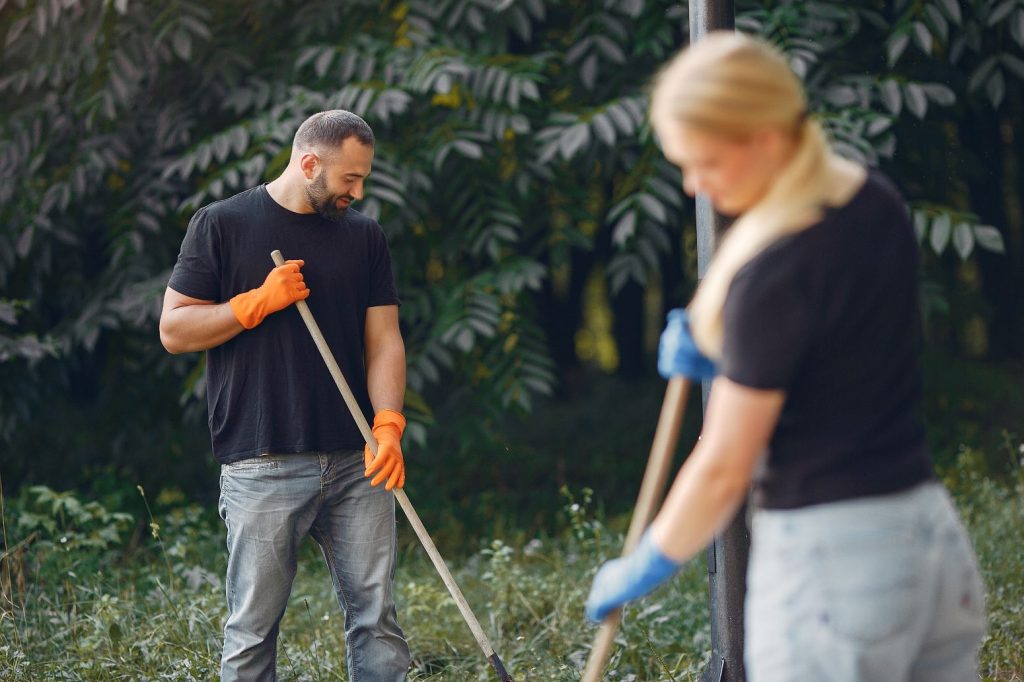
a photo of a couple collecting leaves reflecting what sharing responsibilities in relationships is
Relationships

Sharing Responsibilities in Relationships: Why Its Important

Image by prostooleh on Freepik “It’s as if I’m the only person functioning at home. I take care of the kids. I cook for everyone and make sure the house is spotless. I’m at the brink of emptying myself.” Regardless of how healthy and loving your relationship is, thoughts like this may still creep into your mind and fester in its shadowed areas. You don’t have to be extremely fatigued to feel a deep sense of inequality. But there’s only so much that a person can carry alone, especially regarding chores. This is why sharing responsibilities in relationships is integral. Obviously, this applies best to those who are already living together. But there are also things even those who are still starting need to share. Love requires many things to thrive, two of which are balance and equity, where both need to be seen and treated fairly. This means there needs to be an equal amount of effort from each end and an open acceptance of the responsibilities that come with the relationship to keep it afloat. Why Is Sharing Responsibilities in Relationships Important? Think of relationships as rafts with partners working together, manually paddling or protecting them to keep them floating straight. Now imagine what would happen if one side becomes complacent, reducing effort or stopping completely caring about the raft. Now the one mate must go back and forth to row on both sides to keep the raft going straight placing an unnecessarily heavy burden on the person as they’re left with no other choice but to work alone. Eventually, they’ll tire out from doing everything and feel the injustice crashing until they’re left with no motivation to continue and leave the raft struggling. A similar thing happens when partners don’t equally share responsibilities in their relationships. It will only be a matter of time before one becomes burned out from carrying the relationship on their own. Avoiding This Burn Out This may seem trivial, but as responsibilities are fundamental in life, couples must establish a formula for balancing and juggling them. It can be easy for people to lose sight of what matters most in a hectic world, and unbalanced activities can maim a good relationship. Author John A. Gehrisch has emphasized the importance of sharing responsibilities in relationships in his book The Golf Pro Has Heart. To establish a guide in finding and identifying your ideal love match, Gehrisch used his parents’ 50 years of fruitful marriage as a blueprint for helping others find their other halves. He had also studied other couples who met the criteria of being married for 50 years or more, in a fulfilling relationship, happy, still madly in love, and best friends. He sought to discover what dynamics strengthened these unique couple’s relationship and discovered they all had 18 common traits. They also all lived around a formula of responsibilities that worked for them. Throughout the decades of their marriages, these unique couples found a healthy balance—from sharing household responsibilities to seeing each other’s perspectives. After all, sharing responsibilities in relationships goes beyond doing an equal number of chores. What Is Shared Responsibility in a Relationship? Life is filled with responsibilities that doubles when you’re with someone. Suddenly, you’re cooking for two and cleaning after two—and these are only a fraction of the changes that will ensue. Couples have many things to agree on, and division of labor is one of them. A lot of things need to be done. But on top of these, couples typically also have different schedules and expectations to work with. So, how do both of you cope with such a beast of a burden? The 50/50 Mentality When it comes to sharing responsibilities in relationships, the ideal approach would be to split everything in the middle. You do 50% of the responsibilities, and your partner does the other. Fair, right? That would be the ideal concept, but the execution might be where the trouble lies. Unfortunately, 50/50 does not work as easily as with finances. What happens when your partner gets extremely busy and forgets to do half of the list? Will one mate end up doing everything, or will the house be half-unkempt for a while? The bottom line is that the simple 50/50 arrangement may be the easiest route and might work, but it’s not normally sustainable. If you’re planning on doing this, make sure you have contingencies planned, especially if both of you are busy with other things in life. So, How Is Fair Achieved? If going for the easy 50/50 isn’t doable, what should you do with your partner? The fact is, sharing responsibilities in relationships doesn’t always have to be equal. You can’t always do the same number of chores each. Instead, you must be flexible and willing to do more or vice versa. To avoid resentment, you must start the division with clear communication and expectations. Clarify what each of you can do alone, which may need help, and which can be impossible to achieve. Clarification makes the whole thing easier and better. Communicate which tasks fit your schedule. Remember to consider your and your partner’s mental space for doing everything on top of work and other appointments. Have an honest conversation about this, and when a list is made, make sure to remain open to sudden changes. There’s no other way to tackle responsibilities than by being a cohesive team. From the conversation to testing and finalizing the task allocation, you and your partner must work as a team. Work together for a solution and never to point fingers and compare. If you think there is a bit of unfairness while dividing responsibilities, speak up calmly and discuss it, but do so without assuming that your partner is doing it consciously. There is normally no malicious intent behind the decisions made. Most problems can be fixed with an open and honest conversation if both parties are open to it. Sharing responsibilities in relationships may be challenging, but this

Scroll to Top